Choosing how to make your coffee can feel like a big decision, can’t it? We all love that morning cup, but the way we get there makes a difference. You’ve got your trusty automatic coffee machine, humming away and ready to go, versus the hands-on approach of manual brewing. Both have their fans, and both can make a decent brew. But what’s really going on under the hood, and which one is actually going to give you that perfect cup you’re after? Let’s break it down.
Key Takeaways
- Automatic coffee machines offer convenience and speed, brewing a cup with minimal effort, which is great for busy mornings.
- Manual brewing methods give you more control over variables like water temperature and grind size, potentially leading to a more nuanced flavour profile.
- While automatic machines are consistent, they might offer less customisation compared to the hands-on control of manual brewing.
- The cost of automatic coffee machines can be higher initially and over time with maintenance, whereas manual machines are often more budget-friendly.
- Ultimately, the ‘best’ cup depends on your personal priorities: speed and ease versus control and the brewing experience.
Understanding Automatic Coffee Machines
When you’re looking to get your caffeine fix without a lot of fuss, an automatic coffee making machine is often the go-to. These machines have really changed the game for many households, bringing cafe-style coffee right into your kitchen with minimal effort. They’re designed to take the guesswork out of brewing, letting you enjoy a decent cup with just the press of a button.
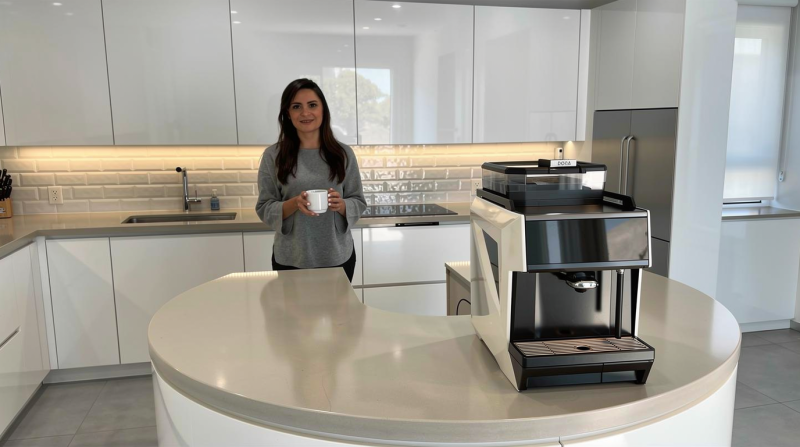
How Automatic Coffee Machines Work
At their core, these machines automate the brewing process. You typically add your ground coffee and water, select your desired drink, and the machine takes over. It heats the water to the correct temperature and then passes it through the coffee grounds under pressure. This controlled extraction is key to getting a consistent flavour. Many modern machines even have built-in grinders, meaning you can use whole beans for maximum freshness.
Types of Automatic Coffee Machines
There’s a surprising variety within the automatic coffee machine world:
- Drip Coffee Makers: These are the classic machines you see everywhere. They heat water and drip it over coffee grounds in a filter basket, collecting the brewed coffee in a carafe below. Simple and effective for making larger batches.
- Espresso Machines (Semi-Automatic & Automatic): These machines are designed to brew espresso. Semi-automatics give you a bit more control over the brewing time, while fully automatic ones manage the shot volume for you. They often include steam wands for frothing milk.
- Super-Automatic Machines: These are the all-in-one wonders. They grind the beans, tamp the coffee, brew the espresso, and often froth the milk, all at the touch of a button. They’re the ultimate in convenience if you want a wide range of coffee drinks with zero manual input.
The primary advantage of an automatic coffee machine lies in its ability to deliver a predictable and repeatable coffee experience. This consistency is achieved through pre-programmed settings that manage water temperature, pressure, and brew time, removing the variables that can lead to an inconsistent cup when brewing manually.
Exploring Manual Coffee Brewing Methods
When you decide to explore manual coffee brewing, you’re stepping into a world where you become the barista. It’s a hands-on approach that many coffee enthusiasts find incredibly rewarding. Unlike automatic machines that do the work for you, manual methods require your direct involvement, offering a unique connection to the coffee-making process. This personal touch is often what allows for that truly exceptional, barista-quality coffee taste.
Common Manual Brewing Techniques (Pour-over, French Press, etc.)
There’s a delightful variety of ways to brew coffee manually, each with its own character and the potential to produce a distinct cup. Here are a few popular methods you might encounter:
- Pour-over: This method involves slowly pouring hot water over coffee grounds in a filter. It gives you a lot of control over the flow rate and water distribution, which can lead to a clean, bright cup. Think of it as a delicate dance between water and grounds.
- French Press: A classic for a reason, the French press uses immersion brewing. Coffee grounds steep in hot water before being separated by a plunger. This typically results in a full-bodied coffee with more oils and fine sediment in the cup.
- AeroPress: This versatile brewer uses air pressure to push water through the coffee grounds. It’s known for its speed and ability to produce a smooth, rich cup, often compared to espresso or a strong filter coffee.
- Moka Pot: A stovetop brewer that uses steam pressure to force water through coffee grounds. It’s a traditional Italian method that yields a strong, concentrated coffee, similar in intensity to espresso but brewed at home.
The Art and Control of Manual Brewing
What sets manual brewing apart is the level of control you have. You’re not just pressing a button; you’re actively participating in every step. This means you can fine-tune variables like water temperature, grind size, and brewing time to suit your specific preferences and the characteristics of the coffee beans you’re using. This direct influence over the brewing process is key to unlocking nuanced flavours and achieving a personalised coffee experience.
While automatic machines offer convenience, manual brewing allows for a deeper appreciation of the coffee’s journey from bean to cup. It’s about understanding how each element – the water, the grind, the time – contributes to the final taste. This engagement can transform your daily coffee ritual into a mindful practice.
This hands-on approach means you can experiment and learn what works best for you. It might take a bit of practice to get it just right, but the satisfaction of crafting a perfect cup through your own skill is hard to beat.
Key Differences: Automatic vs. Manual
When you’re weighing up an automatic coffee machine against a manual brewing setup, it really comes down to a few core differences. It’s not just about pressing a button versus doing a bit more work; it’s about the experience, the outcome, and what fits your lifestyle.
Convenience and Speed
Automatic machines are the champions of convenience. You load the beans or grounds, add water, and with a press of a button, you’re on your way to a coffee. This is fantastic for busy mornings when every minute counts. You get a consistent result without needing to be a barista. Manual methods, on the other hand, require your active participation. Think about a pour-over: you’re controlling the water flow, the bloom time, and the pour rate. It takes more time and attention, but for some, that’s part of the appeal.
- Automatic: Minimal effort, quick results, ideal for time-poor individuals.
- Manual: Requires active involvement, takes longer, but offers a more hands-on experience.
Consistency and Control
This is where the lines get really interesting. Automatic machines are built for consistency. They’re programmed to repeat the same brewing process every single time, meaning your morning latte should taste pretty much the same day after day. This is a huge plus if you value predictability. However, this consistency comes at the cost of control. You’re generally limited to the machine’s pre-set parameters for water temperature, pressure, and brew time. Manual brewing puts you in the driver’s seat. You can tweak the grind size, water temperature, bloom time, and pour speed to your exact preference. This level of control allows for fine-tuning and experimentation, but it also means that achieving that perfect cup can take practice and might vary from one brew to the next.
The ability to precisely manage every element of the brewing process is what manual enthusiasts cherish. It’s about understanding how each variable impacts the final taste and using that knowledge to craft a truly personal coffee.
Flavor Profile and Customization
When it comes to flavour, both methods have their strengths. Automatic machines, especially higher-end ones, can produce excellent coffee with a wide range of flavour notes. They often have features that aim to optimise extraction for different bean types. However, many coffee aficionados argue that manual methods allow for a more nuanced extraction, bringing out subtle flavours that might be missed by an automated process. With manual brewing, you can really explore the full potential of your coffee beans. Customisation is also a key differentiator. While automatic machines offer presets for popular drinks, manual brewing allows for almost limitless customisation. You can adjust everything from the coffee-to-water ratio to the grind consistency, tailoring each cup to your exact liking. It’s a more personal journey with your coffee.

Which Method Produces the Best Cup?
Deciding which brewing method yields the ‘best’ cup of coffee is a deeply personal journey, much like choosing your favourite steak doneness. What one person finds sublime, another might find just average. It really comes down to what you’re looking for in that morning (or afternoon) pick-me-up.
For those who prioritise speed and simplicity, an automatic machine, particularly a good quality one, can consistently deliver a satisfying brew. It’s about getting a decent cup with minimal fuss, which is perfect for busy mornings or when you need to quickly transform your office kitchen into a caffeine hub. These machines are designed for ease of use, meaning you can get your coffee fix without needing to be a barista.
On the other hand, manual methods offer a different kind of reward. Techniques like pour-over or French press give you a hands-on experience. You control the water temperature, the pour rate, and the steeping time. This level of control allows for a nuanced extraction, potentially bringing out subtle flavours in the beans that an automatic machine might miss. It’s a more involved process, but for many, the ritual and the resulting complexity in the cup are well worth the effort.
Ultimately, the ‘best’ cup is the one that most closely matches your personal taste preferences and fits your lifestyle.
- For Consistency & Convenience: Automatic machines excel. They remove variables, making each cup remarkably similar.
- For Flavour Nuance & Customisation: Manual methods often provide greater depth and allow for fine-tuning.
- For the Experience: Manual brewing can be a meditative practice, while automatic machines offer pure efficiency.
The pursuit of the perfect coffee is a continuous exploration. What tastes best today might be different tomorrow, influenced by the beans, your mood, or even the weather. Embrace the variety and enjoy the process of discovery.
Making Your Choice: Factors to Consider
Deciding between an automatic coffee machine and a manual brewing method really comes down to what you value most in your daily coffee ritual. It’s not just about the end result in the cup, but also the journey to get there.
Think about your mornings. Are you someone who needs a quick caffeine fix before rushing out the door, or do you enjoy a more leisurely start to your day? Automatic machines excel here, offering speed and simplicity. You can often have a fresh cup ready with just the press of a button, which is a huge win when time is tight. They’re also fantastic for consistency; you know what you’re going to get, cup after cup, without much fuss.
On the other hand, if you find joy in the process itself, manual brewing might be more your speed. Methods like pour-over or French press give you a hands-on connection to your coffee. You get to control the water temperature, the pour rate, and the steep time. This level of control allows for a truly personalised brew, potentially unlocking subtle flavours in your beans that an automatic machine might miss. It’s a bit like cooking a gourmet meal versus grabbing a pre-made one – both satisfy hunger, but the experience and the depth of flavour can be worlds apart.
Here’s a quick rundown to help you weigh things up:
- Time Commitment: How much time are you willing to dedicate to making coffee each day?
- Desired Control: Do you want to tweak every variable, or prefer a set-and-forget approach?
- Budget: Consider the initial cost and any ongoing expenses like filters or specialised cleaning supplies.
- Space: Some manual brewers are quite compact, while automatic machines can take up more counter space.
- Taste Preference: Are you chasing nuanced flavours or a reliable, familiar taste?
Ultimately, the ‘best’ cup is subjective. It’s the one that brings you the most satisfaction, whether that’s through effortless convenience or the rewarding practice of crafting it yourself. Don’t be afraid to experiment a little to find what truly suits your palate and lifestyle.
So, Which Method Wins?
Ultimately, the ‘best’ cup of coffee comes down to what you value most. If you’re after pure convenience and a consistent brew with minimal fuss, an automatic machine is likely your best bet. They’re great for busy mornings or when you just want a reliable cup without much thought. On the other hand, if you enjoy the ritual of making coffee, love having complete control over every little detail, and want to really explore the nuances of different beans, then a manual method might be more your style. It takes a bit more effort, sure, but many find that hands-on process incredibly rewarding and the results can be truly special. Think about your daily routine, your budget, and how much you enjoy the brewing process itself – that’s your real guide to picking the right machine for you.