Finding a coffee machine that fits neatly into your kitchen without taking over the whole counter can feel like a challenge. You might think that a smaller size means you have to settle for less when it comes to taste. But that’s not always the case. This article will guide you through picking a compact coffee machine that still makes a ripper cup of coffee.
Key Takeaways
- When looking for a compact coffee machine, always check the actual dimensions to make sure it fits your space. Don’t just guess!
- Consider the brewing method that suits you best – whether it’s pods, drip, or espresso. Each has its own pros and cons for convenience and taste.
- Even small machines need a decent water reservoir. Think about how often you’ll be refilling it for your daily brews.
- Ease of use and cleaning are super important for a compact coffee machine you’ll use every day. Nobody wants a faffy machine.
- Don’t forget about how well it’s built. A solid compact coffee machine will last longer and perform better over time.
Why Choose a Compact Coffee Machine?
In today’s fast-paced world, having a quality coffee readily available can make a significant difference to your day. For many, the idea of a dedicated coffee machine conjures images of bulky appliances taking up valuable counter space. However, this doesn’t have to be the case. Compact coffee machines offer a brilliant solution, bringing the cafe experience right into your home or office without the footprint.
They are perfect for smaller kitchens, limited office spaces, or even for those who simply prefer a minimalist aesthetic. Beyond personal use, these machines are increasingly becoming popular as effective workplace beverage solutions for large offices, providing a convenient perk for employees and visitors alike. Instead of relying on a communal, often less-than-ideal, hot water dispenser or a costly daily cafe run, a compact machine offers consistent quality and variety.

Furthermore, when you consider the long-term benefits, it’s a low-cost investment. While the initial outlay might seem like a consideration, the savings from brewing your own coffee at home or in the office quickly add up. You gain control over the quality of your beans, the brewing process, and ultimately, the taste, all from a machine that fits neatly into your life.
Here’s why a compact coffee machine might be the right choice for you:
- Space Efficiency: Their primary advantage is their small size, fitting easily on countertops, desks, or even in break rooms with minimal space.
- Cost Savings: Brewing at home or in the office is significantly cheaper than buying coffee out daily.
- Convenience: Enjoy your favourite coffee without leaving your location, saving time and effort.
- Quality Control: You decide the beans, the strength, and the type of coffee, leading to a more satisfying brew.
- Variety: Many compact machines can still offer a range of coffee styles, from espresso to longer blacks, catering to different preferences.
Key Features to Consider in a Compact Coffee Machine
When you’re looking for a coffee machine that won’t take up half your kitchen, it’s easy to get caught up in just the size. But there are several other important things to think about to make sure you’re still getting a great cup of coffee. Let’s break down what really matters.
Size and Dimensions: The Obvious, But Crucial Factor
This is likely why you’re looking at compact machines in the first place. Measure your available counter space carefully. Think about not just the width and depth, but also the height, especially if you plan to place it under cabinets. A machine that looks small online might be taller than you expect.
Brewing Method: Espresso, Drip, Pods, or Something Else?
Your preferred coffee style will dictate the type of machine you need.
- Espresso Machines: These are great for those who love a strong shot, a flat white, or a cappuccino. They often require a bit more involvement, like grinding beans and tamping.
- Drip Coffee Makers: If you prefer a larger, more traditional cup of coffee, a compact drip machine might be the go. They’re generally simpler to operate.
- Pod/Capsule Machines: These are incredibly convenient and offer a wide variety of flavours. However, the coffee quality can sometimes be a compromise, and the ongoing cost of pods adds up.
Water Reservoir Capacity: Balancing Size and Convenience
Compact machines often have smaller water tanks. Consider how many coffees you typically make in a day. A smaller tank means more frequent refills, which can be a bit of a nuisance if you’re making multiple cups.
Ease of Use and Cleaning: Essential for Daily Enjoyment
No one wants a complicated coffee routine, especially on a busy morning. Look for machines with intuitive controls and straightforward operation. Equally important is how easy it is to clean. Regular cleaning is key to maintaining your machine and the taste of your coffee. Simple disassembly for cleaning is a big plus.
Durability and Build Quality: Investing in Longevity
Even with a smaller footprint, you want a machine that feels solid and is built to last. Cheaper plastics can feel flimsy and might not stand the test of time. Look for stainless steel components where possible. Good build quality often translates to better performance and a longer lifespan for your coffee machine.
Taking care of your coffee machine through regular cleaning and maintenance isn’t just about keeping it looking good; it directly impacts the flavour of your coffee and the longevity of the appliance itself. Simple steps can prevent issues down the line.
Understanding Coffee Quality in Small Packages
Grind Size and Consistency
When you’re looking at a compact coffee machine, it’s easy to overlook the importance of how finely and evenly the coffee beans are ground. This step is actually pretty significant for the final taste. If the grind is too coarse, water will pass through too quickly, leading to a weak, watery coffee. Too fine, and the water struggles to get through, resulting in a bitter, over-extracted brew. Consistency is key here; unevenly ground coffee means some parts will be over-extracted while others are under-extracted, creating a muddled flavour. Many compact machines have built-in grinders, but their quality can vary wildly. Cheaper models might produce an inconsistent grind, which is why some people opt for a separate grinder. If your machine doesn’t have a grinder, you’ll need to factor in the cost and space for a good quality burr grinder. A good grinder will give you control over the grind size, allowing you to fine-tune it for the perfect extraction, no matter the coffee bean.
Water Temperature and Pressure
Beyond the grind, the water temperature and pressure are the next big players in getting a good cup of coffee from a smaller machine. For espresso, the ideal water temperature is generally between 90-96°C. If the water is too cool, your coffee will taste sour. Too hot, and it’ll taste burnt. Similarly, pressure matters. For espresso, you’re looking for around 9 bars of pressure. Machines that can’t achieve or maintain these levels will struggle to produce a rich, crema-topped shot. Some higher-end compact machines might offer features like PID controllers to stabilise temperature or specific pump types to ensure consistent pressure. While these might seem like technical details, they directly impact the flavour profile of your coffee. It’s worth checking the specifications or reviews to see how well a machine manages these elements, as it’s often where smaller, more affordable units can fall short compared to their larger counterparts.
Don’t be swayed by marketing jargon about ‘perfect extraction’ if the machine’s core capabilities for temperature and pressure aren’t up to scratch. These are the physical elements that make or break your coffee’s flavour, regardless of how fancy the buttons look.
Top Compact Coffee Machine Types and Recommendations
When you’re looking for a compact coffee machine that doesn’t skimp on quality, you’ll find a few main types that stand out. Each offers a different approach to your morning brew, so it’s about matching the machine to your personal coffee habits and how much effort you want to put in.
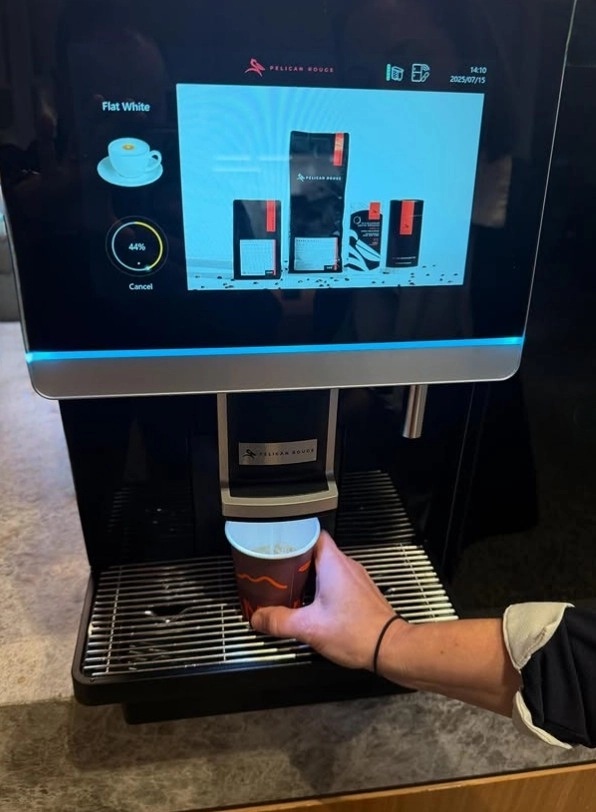
Automatic machines are fantastic if you value convenience above all else. You simply add your favourite beans, select your drink, and the machine does the rest – grinding, brewing, and often even frothing milk. They’re brilliant for busy households or a small workplace coffee machine setup where speed and ease are key. These are a great addition to any work environment, and can significantly boost employee morale and productivity.. While some can be a bit larger, many compact automatic models are available that still pack a punch in terms of features and coffee quality.
Then there are manual and semi-automatic machines. These give you more control over the brewing process. You’ll typically grind your beans separately and tamp the coffee yourself. This is where you can really start to experiment and fine-tune your coffee to your exact liking. While they might require a bit more practice, the results can be incredibly rewarding, often rivaling what you’d get from a cafe. Many compact semi-automatic machines are available, and they can be a great choice if you enjoy the ritual of making coffee.
Finally, pod or capsule machines are the ultimate in simplicity. Pop in a capsule, press a button, and you have coffee. They are almost always very compact and require minimal cleaning. However, you are limited to the coffee flavours offered by the capsule manufacturer, and the ongoing cost of capsules can add up. Plus, there’s the environmental consideration of capsule waste, though recycling options are improving.
Here’s a quick look at what to expect:
- Automatic: Easiest to use, great for speed, good for variety of drinks. Can require more cleaning.
- Semi-Automatic: More control over brewing, allows for experimentation, potentially higher quality results with practice. Requires more user input.
- Capsule: Extremely simple and fast, very compact. Limited coffee choice, ongoing capsule costs, environmental impact.
When selecting a compact machine, remember that a lower price doesn’t always mean lower quality. Our testing has shown that some more affordable models can produce excellent coffee, sometimes outperforming much pricier alternatives. It’s always worth checking independent reviews to find the best value.
Consider how much time you have each morning and how involved you want to be in the coffee-making process. This will guide you towards the type of compact machine that will best suit your needs.
Making Your Final Decision: A Checklist
Right then, you’ve done your homework on compact coffee machines, looked at the features, and considered the brewing methods. Now, let’s nail down that final choice. It’s about making sure what you bring home actually fits your life and your coffee habits.
Think about these points before you click ‘buy’ or head to the shop:
- Your Daily Coffee Ritual: How many coffees do you make each day? Are you a single espresso person, or do you need to cater to a small crowd? This will tell you a lot about the water reservoir size and brewing speed you’ll need.
- Counter Space Real Estate: Measure up! Seriously, grab a tape measure and check the exact dimensions. Don’t just eyeball it; a few millimetres can make a difference between a snug fit and a machine that just won’t sit right.
- Maintenance Matters: How much time are you willing to spend cleaning? Some machines are super simple, just a quick rinse. Others might have more parts to wash or descale. Be honest with yourself here – a machine that’s a pain to clean often ends up gathering dust.
- Budget vs. Longevity: While it’s tempting to go for the cheapest option, consider the build quality. A machine that feels flimsy might not last as long. Sometimes, spending a little more upfront on a sturdier build means fewer replacements down the track.
- The Coffee Itself: Are you after a specific type of coffee, like a perfect flat white, or are you happy with a good, solid brew? This links back to the brewing method and the machine’s ability to control things like water temperature and pressure.
Don’t get swayed by flashy marketing. Focus on the practicalities that will affect your day-to-day experience. A machine that’s easy to use, simple to clean, and consistently makes coffee you enjoy is the real winner.
Wrapping Up Your Compact Coffee Machine Search
So, you’ve seen that finding a compact coffee machine doesn’t mean you have to settle for a subpar brew. It’s all about knowing what features really matter for the coffee you enjoy. Don’t get swayed by fancy marketing; focus on what the machine can actually do for your daily cup. By paying attention to things like temperature control and the type of basket it uses, you can pick a smaller machine that still makes a fantastic coffee. Remember, a great coffee experience can absolutely fit on your kitchen bench, and with a bit of smart shopping, you can get excellent value too. Happy brewing!